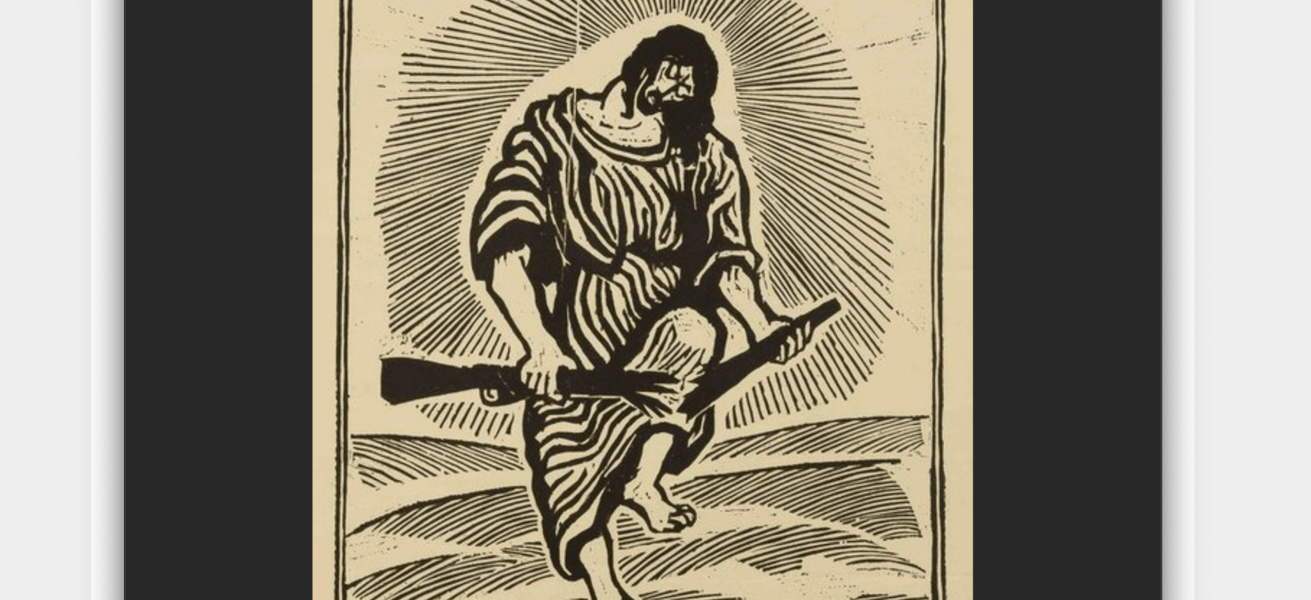
I've been reading a relatively new Orson Scott Card novel which looked interesting. I thought I was going to enjoy it for its philosophical depth after the first few pages, but it quickly became reminiscient of a pop Christian apocalyptic novel (right now Clowns of God is the only such book I would recommend to anyone). The book in question is called Empire, and it's about a near-future American Civil War.
I have found it difficult at times to relate to the main characters because of their political views, although I admit they are an interesting family. They're an Army family; the main character is a U.S. Army Major (who is an Orthodox Christian of Serbian extraction, but religion seems to have even less relevance in the lives of these characters than in the characters of Ender's Game).
I wanted to comment here on one conversation in the middle of the book, between the wife of the Major and one of their sons:
"And you're nine years old, right?" asked Cecily.
I know you think I read too much fantasy," said Nick, "but this is what it's all about. Power. Somebody dies, somebody leaves, everybody comes in and tries to take over. And you just have to hope that the good guys are strong enough and smart enough and brave enough to win."
"Are they?"
"In the fantasy novels," said Nick. "But in the real world, the bad guys win all the time. Genghis Khan tore up the world. Hitler lost in the end, but he killed millions of people first. Really bad stuff happens. Evil people get away with it. You think I don't know that?"
Our children are way too smart for their own good, thought Cecily. "Nick, you're absolutely right. So do you know what we do? We make an island. We make a caslte. We dig a moat around it and we put up walls that are strong, made of stone."
"I guess you're not talking about Aunt Margaret's house," said Nick.
"You know what I'm talking about," said Cecily. "I'm talking about family, and faith. Here in this house, we're not trying to take advantage. Our family doesn't profit from the death of the king. Our family always has enough to share, even if we don't have enough to eat. Do you understand?"
"Sure," said Nick. "That's church talk. Because Dad has a weapon and goes out and kills the bad guys. He doesn't just hide in a castle inside a moat and help the poor and the sick."
"Your dad," said Cecily, "does not go out and kill the bad guys. He goes out and does what he's ordered to do, and the goal is to persuade the bad guys that they won't get their way by killing people, so they'd better stop."
"Mom," said Nick, "all you're saying is that our Army persuades them to stop killing people by being better at killing people than they are."
She slumped back in her chair. "Hard to reconcile that with Christianity, isn't it?"
"No it's not," said Nick. " 'Greater love hath no man than this, that he lay down his life for his friends.' "
"You listen?"
"I read."
I recognize that many people talk and think in the way this suggests to me. The mother character seems to endorse this pattern of thinking in her son here. But surely you don't have to be radically liberal or a Christian pacifist in order to see that there is not a connection between the Jesus quotation and the "carry a big stick" / "M.A.D." policies suggested by Nick's summary characterization of U.S. Army policy?
That is to say, there doesn't seem to be a logical connection in my mind between the righteousness of letting oneself be killed for one's friends and that of being willing to kill one's enemies.
------
"Make me a channel of Your Peace."
-St. Francis
Read the full post.


 Posts
Posts